


What we do Our Kitchen Design Services


Custom Made Kitchens
As Sydney’s prominent and certified kitchen designers, we can build all types of kitchens with custom cabinetry to suit your needs. We can help you with kitchen layout and material selection.
Read more

Kitchen Design
At Sydney Wide Kitchens, our expert kitchen designers can design, build and install the beautiful kitchen of your dreams within your budget. We provide 3D kitchen designs before commencing work.
Read more

Kitchen Renovation
With over 25 years of experience, we can provide expressive, durable and cost-effective kitchen renovation services in Sydney. Our expert kitchen renovators can renovate small and luxury kitchens.
Read more

About us Best Kitchen Design Company in Sydney
With in-depth expertise in the kitchen industry, Sydney Wide Kitchens offer customers a more personalised approach to business. As a family-owned and operated business, we stand for 'Australian owned and made kitchens'. With over 25 years of experience, our team of certified designers can design or renovate your kitchen well-within your budget and timelines.
Kitchen designs have evolved greatly in the last decade wherein homeowners of small homes love to experiment with distinctive materials and funky designs and homeowners of spacious big homes want to go with a classic style that uses conventional materials and designs.
We know the problem you face and work closely with you to understand the style you want. Apart from different customisations and options, we provide a variety of styles and themes that will leave you delighted with the end-product.


Sydney Wide Kitchens, haven featured in top kitchens and bathrooms publication both in print and online like Luxury Kitchens and Bathrooms. We have also been featured in Kitchens and Bathrooms Quarterly magazine.
our project Recently Completed Work
View More Projects


our testimonials What our client say
our blog Recent news

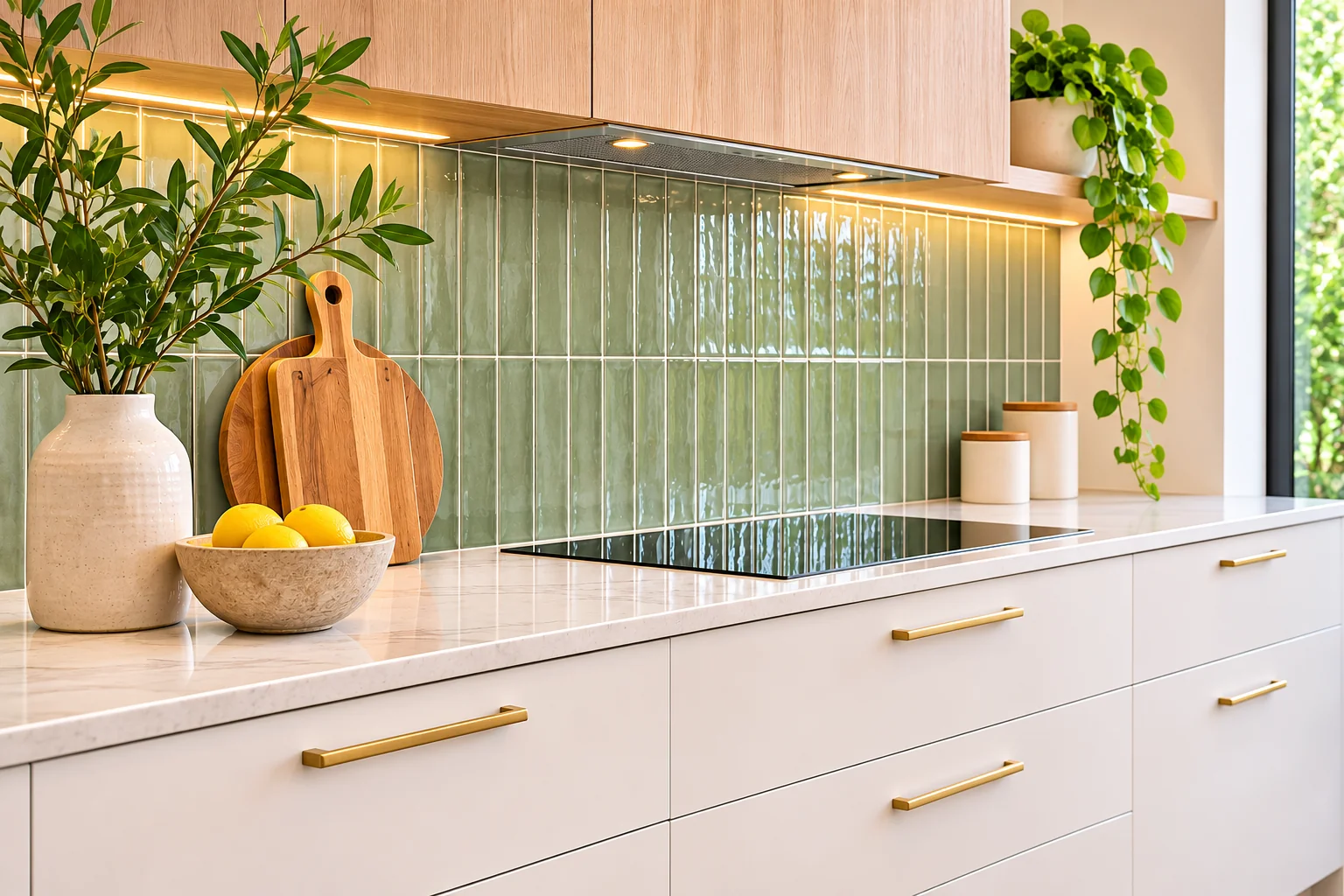
Kitchen Splashback Trends in Australia for 2026
Planning a kitchen renovation in Sydney? The right splashback can transform your cooking space while protecting the walls from everyday spills. In 2026, Australian kitchen splashback trends favour textured tiles, warm colours and seamless finishes. Sydney Wide Kitchens explores the latest designs and practical considerations to help you choose a splashback that suits your home. What Kitchen Splashback Styles Are Trending in 2026? Modern kitchen splashbacks are becoming an important design feature rather than simply a protective surface. Popular directions include: Textured ceramic tiles with handmade-looking finishes. Large-format porcelain panels with fewer visible joins. Warm, earthy colours such as beige, sage and terracotta. Full-height splashbacks extending beyond traditional wall areas. Matching benchtop and splashback finishes for a coordinated appearance. These options can complement contemporary and traditional kitchens. The best choice depends on your layout, budget and maintenance preferences. Are Textured Tiles a Good Choice for Modern Kitchens? Textured ceramic tiles are bringing character to otherwise simple kitchen designs. Zellige-inspired tiles, vertical finger tiles and handmade-look ceramics introduce subtle variations in colour and surface finish. They work particularly well alongside timber cabinetry, natural-looking benchtops and neutral colour schemes. Vertical tile layouts can also draw attention upwards, making the wall feel taller. However, textured surfaces and multiple grout lines may require additional cleaning. Choose a finish that provides the appearance you want without making everyday maintenance difficult. Why Are Full-Height and Large-Format Splashbacks Popular? Full-height splashbacks create a continuous finish, particularly behind rangehoods, open shelving and feature cooking areas. Large-format porcelain panels offer a similar streamlined appearance with fewer grout lines than smaller tiles. Their main advantages include: A clean, uninterrupted appearance. Less grout to maintain. A strong visual connection between wall surfaces and benchtops. Natural stone is another option, although some varieties require sealing and specialised maintenance. When comparing stone-look products, confirm the exact material. Australia's engineered stone prohibition applies to certain benchtops, panels and slabs, while qualifying porcelain and resin-free sintered stone products are excluded. Which Splashback Colours Work Best in Australian Kitchens? Warm neutrals and nature-inspired shades are influencing kitchen colour choices. Cream, mushroom, sand and soft white create welcoming spaces without overpowering cabinetry. Sage green, muted blue and terracotta can introduce colour while remaining relatively understated. For a balanced design, consider how the splashback relates to your cabinet doors, benchtops and flooring. During the kitchen design process in Sydney, Sydney Wide Kitchens can help homeowners consider how finishes work together before installation. Always view material samples under your kitchen's natural and artificial lighting. Are Glass Splashbacks Still Suitable for Small Kitchens? Glass remains a practical option for homeowners who prefer smooth, minimal surfaces. Its non-porous finish is generally easy to wipe clean, while reflective or lighter colours can help compact kitchens feel brighter. Low-sheen finishes offer a softer appearance than traditional high-gloss designs. Glass must also be selected for its intended installation location. Confirm safety glass requirements, cooktop clearances and manufacturer specifications before choosing a panel. Should Your Kitchen Splashback Match Your Benchtop? Matching splashbacks and benchtops can create a consistent appearance across the kitchen. For example, a porcelain splashback with a coordinated stone-look benchtop can make the room feel visually connected. Alternatively, contrasting materials can create interest. Textured green tiles paired with a light benchtop and timber cabinetry provide a different look without requiring bold colours throughout the room. The goal is to create a balanced design rather than match every surface. How Do You Choose a Practical Kitchen Splashback? A beautiful finish should also suit how your household uses the kitchen. Before selecting a material, consider: Cleaning: Smooth panels generally need less grout maintenance than small tiles. Heat resistance: Check product suitability and installation requirements around the cooktop. Kitchen size: Light colours and simple patterns may help compact spaces feel open. Lighting: Glossy, matte and textured surfaces respond differently to natural light. Long-term appearance: Select colours and finishes you will enjoy beyond current trends. For homeowners planning kitchen renovations in Sydney, making these decisions during the design stage can help avoid expensive changes later. What Should You Consider Before Installation? Splashback costs depend on material selection, wall dimensions, preparation, cutting and installation complexity. Plan power point positions, rangehood placement and the finished benchtop height before final measurements. Our guide to kitchen renovation costs explains broader budgeting considerations, while the kitchen renovation timeline outlines how different stages fit together. Create a Kitchen That Looks Great and Works for You The best kitchen splashback combines attractive design with everyday practicality. Sydney Wide Kitchens helps homeowners plan kitchens with coordinated finishes, functional layouts and carefully considered materials. Whether you prefer textured tiles or a seamless modern finish, our experienced team can help you explore suitable options for your renovation. Request a Quote to discuss your kitchen renovation with Sydney Wide Kitchens. Frequently Asked Questions 1. What are the most popular kitchen splashback trends for 2026? Textured ceramics, large-format porcelain, warm colours and full-height installations are prominent design trends in Australian kitchens. 2. Which kitchen splashback is easiest to clean? Smooth glass and porcelain panels are generally easier to maintain because they have fewer grout lines than small-format tiles. 3. Are white kitchen splashbacks outdated? No. Warm whites, ivory finishes and subtly textured white tiles remain versatile choices for both modern and traditional kitchens. 4. What splashback works best in a small kitchen? Light-coloured glass, simple tile patterns and coordinated benchtop finishes can create a brighter, more open appearance. 5. Can I replace a splashback without renovating my entire kitchen? Often, yes. However, removal, wall preparation and compatibility with existing benchtops and cabinetry must be assessed first.
Read more
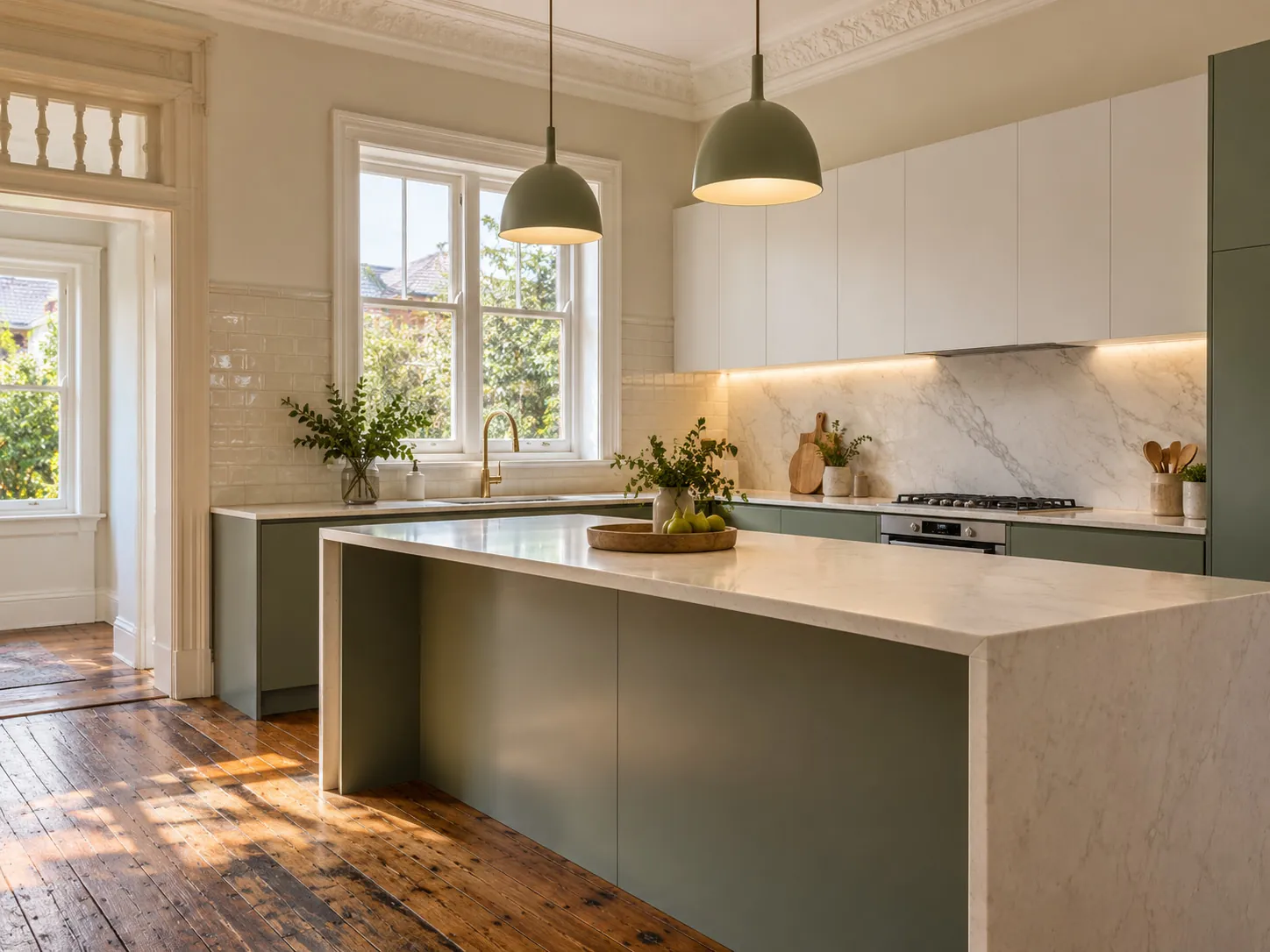
Kitchen Renovation for Older Sydney Homes: What Should You Check Before Starting?
Older Sydney homes can offer character and generous proportions, but their kitchens often need careful planning before kitchen renovation begins. Existing plumbing, electrical services, uneven walls and past alterations can affect the new design. Sydney Wide Kitchens helps homeowners review these details early so cabinetry, appliances and finishes can be planned around the actual space. Why Older Homes Need More Renovation Planning Older kitchens may have been changed several times. Previous renovations can leave behind relocated services, uneven surfaces or layouts that no longer suit modern living. Before finalising the design, review what can stay, what needs attention and which changes will provide the greatest practical benefit. Check the Existing Kitchen Layout Look at how the current kitchen works before deciding to replace it with a completely different layout. Consider: How people move through the room Where food preparation happens Whether appliance doors block walkways How much useful bench space you have Whether storage is easy to access If the basic layout works, retaining some service locations may simplify the project. If workflow or storage is poor, redesigning the space may be worthwhile. Sydney Wide Kitchens' kitchen renovation service helps homeowners plan layouts around the room, household routines and available space. Inspect Plumbing Before Finalising the Design Understand where the existing water and waste connections are located before confirming the sink and dishwasher positions. Older plumbing may have been extended or altered during previous renovations. A qualified plumber can assess the existing setup and advise whether changes are needed. If you want to move the sink or dishwasher, confirm this during the design stage because service changes can affect cabinet sizes and project scope. Review Electrical Requirements Modern kitchens typically use more electrical appliances than older kitchens were originally designed around. Plan for the oven, cooktop, dishwasher, microwave, rangehood, refrigerator, lighting and power points. Have the existing electrical setup assessed by an appropriately qualified electrician. Appliance locations and power requirements should be confirmed before cabinetry enters production. Check Walls, Floors and Ceilings Older homes are not always perfectly square. Walls can be uneven, floors may vary in level and ceiling heights can differ. Accurate site measurements are important before custom cabinetry is manufactured. Also check whether flooring extends under existing cabinets and whether wall finishes will change after demolition. These conditions can affect cabinet dimensions, fillers, benchtops and installation. Measure Carefully Before Ordering Cabinets Do not rely on the dimensions of the existing cabinetry when planning replacements. The room itself should be measured accurately. Important measurements include wall lengths, windows, doors, ceiling height, appliance dimensions, service positions and walkway clearances. For properties with unusual dimensions, custom-made kitchens can make better use of awkward corners. Before manufacturing starts, use this kitchen renovation checklist to review the details and confirm. Plan Around Windows and Doors Windows and doors can strongly influence an older kitchen layout. A low window may limit where cabinetry can sit, while an existing doorway can reduce usable wall space. Include these fixed features in the design from the beginning. A custom layout can often use surrounding areas more efficiently without making the kitchen feel crowded. Decide Whether Services Need to Move Relocating plumbing or electrical services can provide more freedom when redesigning a kitchen, but the functional benefit should justify the additional work. For example, moving a sink may make sense if it creates a better preparation area or improves the relationship between the kitchen and adjoining living space. See the Sydney Wide Kitchens kitchen renovation timeline for an overview of the renovation process. Review the Design in 3D A 3D kitchen design can help you visualise how new cabinetry and appliances will work within an older property. Review cabinet proportions, storage, appliance positions, colours and circulation before approving the design. Sydney Wide Kitchens uses 3D planning to help homeowners understand the proposed kitchen before manufacturing begins. Plan Your Older Sydney Kitchen Renovation A well-planned renovation starts with understanding the existing home. Checking the layout, services, measurements and fixed features before manufacturing can help you make better design decisions and create a kitchen that works for everyday life. Sydney Wide Kitchens provides kitchen design, local cabinetry manufacturing and installation for Sydney homeowners. If you are preparing to renovate an older kitchen, request a quote to discuss your space and renovation goals. FAQs Is it harder to renovate a kitchen in an older Sydney home? Older homes can require additional checks because walls, floors and services may have been altered over time. Accurate measurements and early planning help manage these conditions. Should I keep my existing kitchen layout? Keep it if it already provides good storage, workflow and circulation. A new layout may be worthwhile where the existing kitchen is difficult to use. When should plumbing and electrical services be checked? Review them during the design stage before appliance positions and cabinetry are finalised. Can custom cabinetry work with uneven walls? Yes. Custom cabinetry can be planned around unusual room dimensions and site conditions identified during measurement. Should appliances be selected before cabinet manufacturing? Confirming appliance models and specifications early helps ensure cabinetry, ventilation and clearances are planned correctly.
Read more

Kitchen Cabinet Dimensions: A Guide to Height, Depth and Spacing
Getting kitchen cabinet dimensions right helps create a kitchen that feels comfortable, organised and easy to use. Sydney Wide Kitchens plans custom cabinetry around room dimensions, appliances and storage needs, helping Sydney homeowners make better use of available space. Why Kitchen Cabinet Dimensions Matter Cabinet measurements affect storage, benchtop height, appliance installation and circulation. Standard dimensions are useful starting points, but ceiling height, appliance specifications, windows, services and user comfort can influence the final design. Custom planning allows cabinetry to fit the room rather than forcing the room to suit predetermined sizes. What Is the Standard Height of Base Kitchen Cabinets? In many Australian kitchens, the finished benchtop height is around 900 mm from the floor. The cabinet body is lower, with the kickboard and benchtop completing the overall height. A typical arrangement may include: Cabinet carcass around 720 to 800 mm high Kickboard around 100 to 150 mm high Benchtop around 20 to 40 mm thick These are guides rather than fixed rules. In a custom made kitchen, the finished height can be planned around ergonomics, appliances and the people using the space. How Deep Are Base Kitchen Cabinets? Base cabinets are commonly designed around a finished benchtop depth of about 600 mm. The cabinet carcass may be slightly shallower to allow for doors, services and the benchtop edge. Depth affects storage and floor space. In a compact kitchen, cabinetry that is too deep can reduce the walkway. Appliance specifications should always be checked before surrounding cabinetry is finalised. What Are Common Wall Cabinet Dimensions? Wall cabinets are shallower than base cabinets so the benchtop remains comfortable to use. A depth of roughly 300 to 370 mm is common, while heights may range from about 600 to 900 mm or more. Taking overhead cabinets closer to the ceiling can: Increase vertical storage Reduce unused space above cabinetry Create a built-in appearance Make better use of compact kitchens The final height should still consider accessibility. How Much Space Should Be Between the Benchtop and Wall Cabinets? A gap of around 500 to 600 mm between the benchtop and overhead cabinetry is common. Cooking zones may require different clearances depending on the cooktop, rangehood and appliance manufacturer’s instructions. A professional kitchen design can coordinate cabinetry, appliances, splashbacks and work zones as one complete layout. How Wide Should Kitchen Cabinets Be? Cabinet widths depend on function. Modular systems often use sizes such as 300, 450, 600, 750 and 900 mm, while custom cabinetry provides greater flexibility. Narrow pull-outs can suit spices or trays, while wider drawers can store cookware, crockery and food containers. Read more about tailored cabinetry in Why Choose Custom Cabinets for Your Kitchen?. Plan Tall Cabinets Around Appliances and Storage Tall pantry, oven and refrigerator cabinets should be coordinated with appliance dimensions and the rest of the kitchen. Refrigerators need appropriate ventilation and door clearance, while pantry cabinets should keep stored items easy to reach. Internal drawers and pull-outs can make deeper spaces more practical. For more ideas, explore these kitchen storage ideas for smart renovations. Allow Enough Space Between Cabinets and Kitchen Islands Cabinet dimensions also affect circulation. Around 1000 to 1200 mm between an island and surrounding cabinetry can provide comfortable movement in many kitchens, particularly where drawers, dishwashers or oven doors open into the walkway. Smaller rooms may need tighter planning, while busy family kitchens may benefit from more clearance. The right spacing depends on the layout and appliance doors. Why Custom Dimensions Work Well in Sydney Homes Older Sydney homes, apartments and renovated properties do not always have dimensions that suit modular cabinetry. Custom cabinets can respond to unusual walls, ceiling heights, services and narrow spaces. Sydney Wide Kitchens manufactures cabinetry locally in Sydney and uses 3D kitchen design to help homeowners review proportions, storage and appliance placement before manufacturing. Plan Cabinetry That Fits Your Kitchen Properly The right kitchen cabinet dimensions depend on your room, appliances, storage needs and everyday routines. Sydney Wide Kitchens combines personalised design, 3D planning and locally manufactured cabinetry to create practical kitchens for Sydney homes. If you are planning new cabinetry or a complete renovation, request a quote to discuss a kitchen designed around your space. FAQs What is the usual height of a kitchen benchtop? Around 900 mm is a common starting point, although the finished height can be adjusted to suit the kitchen design and household. How deep should kitchen base cabinets be? Base cabinetry is commonly planned around a finished benchtop depth of approximately 600 mm, with the cabinet body often slightly shallower. How deep are overhead kitchen cabinets? Wall cabinets are commonly around 300 to 370 mm deep, allowing useful storage without making the benchtop below uncomfortable to use. Should kitchen cabinets go to the ceiling? They can. Full-height cabinetry can increase storage and create a streamlined appearance, but accessibility and ceiling conditions should be considered. Are custom cabinet sizes better for small kitchens? They can be useful because cabinetry can be designed around narrow gaps, awkward corners, appliances and specific storage requirements.
Read more
contact us
Do You Want To
Start Kitchen Renovation Project
Whether you require readymade or custom kitchen renovation for your home, Sydney Wide Kitchens can undertake it from planning to completion stage, providing an ageless masterpiece made just for you. Our expert kitchen designers will guarantee your kitchen renovation experience is not only gentle and cost-effective but also attractive, both in functionality and looks.
Need to discuss a kitchen renovation project, call us on 02 9792 4824 or fill up the web form to schedule an appointment.